Latest
-
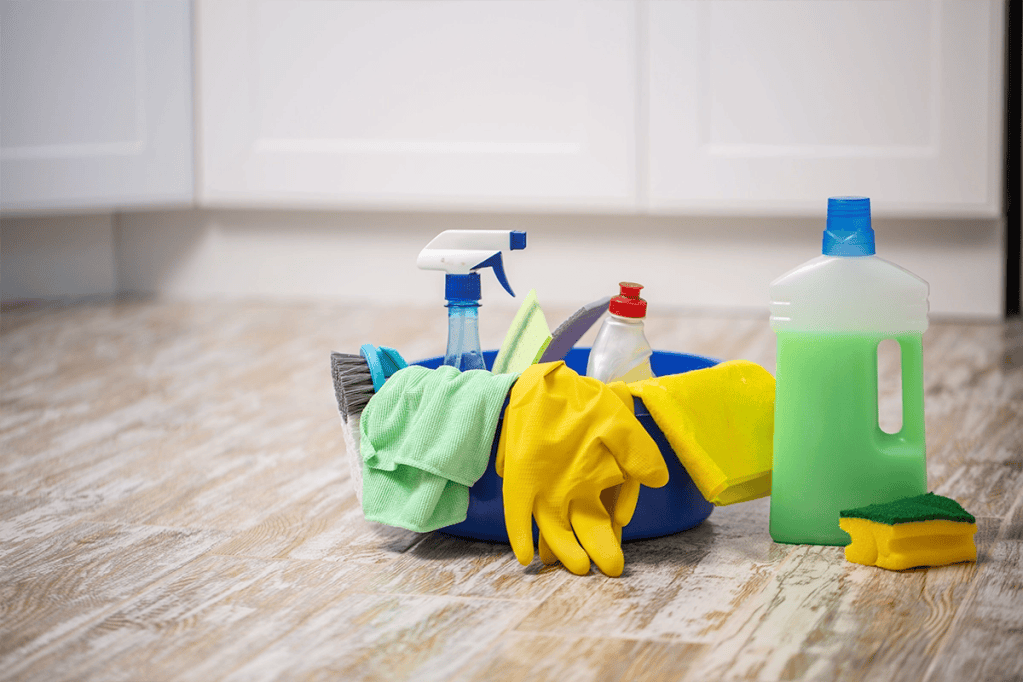
Treating Water with a Floor Cleaner
Over the years I have experienced many interesting situations with water quality and testing. This example is definitely at the top of the list and raises serious concerns about water safety and how water testing is perceived. As part of routine water test, I showed up at a residence to take a sample for bacterial…


WahlH2O got it’s roots in 2013 after Jeff Wahl had an experience with a real estate transaction and water treatment equipment. After this experience he decided to start the process of making a change to how people view their water and provide education for it’s safety. His mission is to continually raise awareness for the safety, benefits and risks associated with water with specific focus on water treatment.
H2O Insights – The WahlH2O Blog with Jeff Wahl
Featured Content: Select a Post to Learn More
It is considered reasonable to say that all water sources in Canada have some level of water contamination, no matter how remote. Adding credence to this, it is a requirement in publicly accessed water sources to have monitoring, testing and reporting for specific contaminants to ensure water safety. Publicly accessed areas in all parts of Canada are subject to water policies and procedures; however, this does not apply to rural private residences and other water sources across the country. Read the Post >>>
Regarding water, potability is a term used in multiple different contexts with varying perceptions of its true meaning. Generally it’s referenced when evaluating a water source in rural areas where no municipal water treatment services are available. In this article, the term potability and its use in different contexts is explored, as well as generalizations of the public perceptions when describing water quality. Generally the term potability is used to imply that a water source is safe to drink and use unless otherwise stated. Read the Post >>>
There are many common misconceptions about which water treatment equipment is best-suited to treat various contaminants in relation to residential water sources in Canada. This comparison of Ultraviolet Disinfection and Reverse Osmosis highlights two of the most common types of systems that are commonly installed in rural and municipal water source applications. Understanding what each system can treat and how it works is important when considering the installation of drinking water equipment. Read the Post >>>
Water Usage in Rural Households
Less than 1% of household water is used for drinking and cooking in an average home.
Over 99% of water is used for bathing, laundry, dishwashing, and other non-consumptive purposes.
Over 99% of water goes down the drain and is never consumed in an average home.
Over 99% of water does not require treatment to Potability standards when it is never consumed.
H2O Insights – The WahlH2O Blog with Jeff Wahl

Rural Real Estate Transactions. Over the past 25 years working as a certified water professional I have observed multiple rural real estate transactions with no clarity in the bacterial water sampling requirements for financing obligations. These interactions go on daily and are currently unregulated in all Canadian provinces and territories.
A water sample for bacteria that is conducted during a real estate transaction can be taken by the seller, buyer or a third party with no certification or procedural requirements necessary. It is just a requirement to be taken before the closing of a sale.
Pitcher Style Filters. A common, cost-effective method of residential water filtration is the pitcher-style container, which features an upper reservoir and an internal “flow-through” filter. While highly accessible, these systems require strict adherence to maintenance schedules, an appropriate source water profile, and periodic disinfection to function correctly.
Unfortunately, many consumers utilize these devices on source water they were never designed to treat. This misapplication leads to disappointing performance and creates a false sense of security regarding water quality.


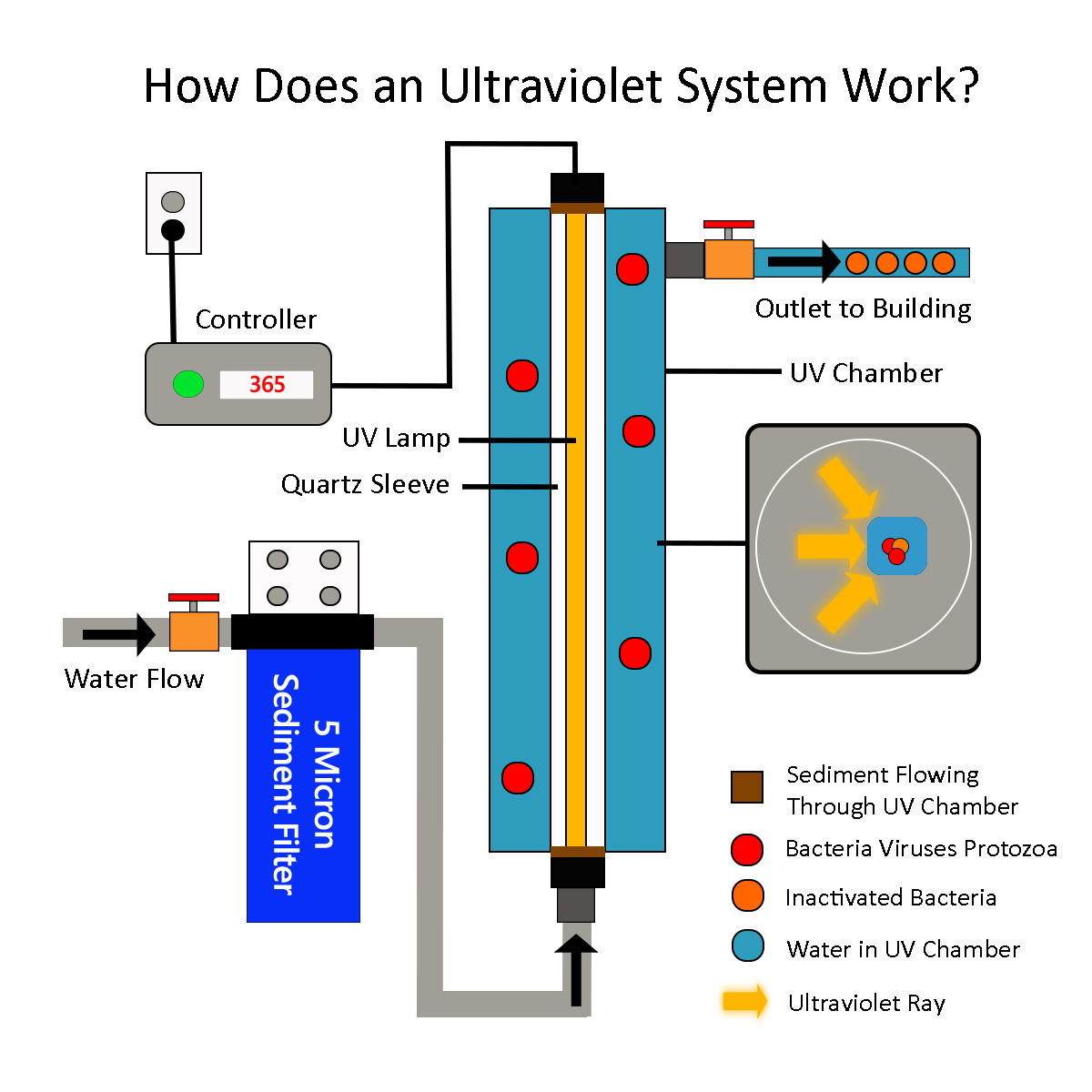
Ultraviolet (UV) Disinfection is widely used for treating drinking water, praised for its ability to eliminate harmful microorganisms. However, this method has significant limitations, sparking debates over its effectiveness as a standalone treatment.
While UV disinfection is efficient in deactivating bacteria, viruses, and protozoa, it does not remove physical or chemical contaminants, leaving consumers at potential risk to their drinking water quality.
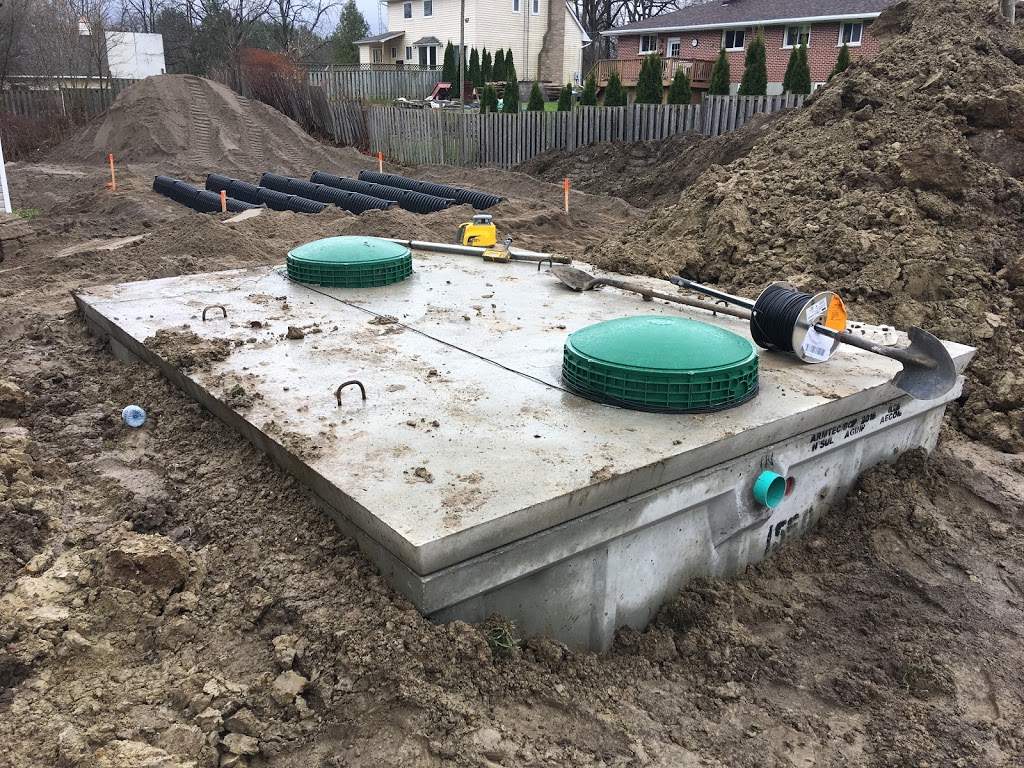
Septic Systems and rural water quality. When considering potential risks to your water source, it is important to remember that what you see on the surface is not always what is happening underground.
A septic system is out of sight and, therefore, quite often forgotten. As a major component of a rural home’s wastewater system, it has the potential to impact the water quality for both the household and the surrounding area.

H2O Insights – The WahlH2O Blog with Jeff Wahl
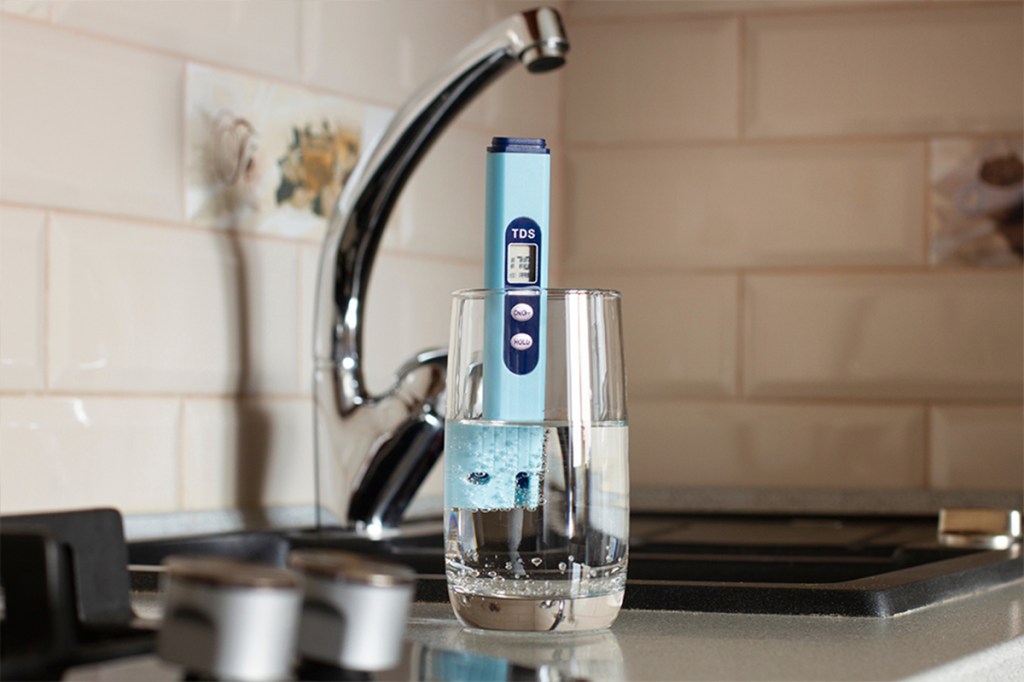
Total Dissolved Solids (TDS). Water is commonly known as the universal solvent. When it encounters soluble material, the particles of that material are absorbed into the water. This process creates total dissolved solids.
TDS in water can come from many sources, including natural water springs, chemicals used during treatment of municipal water supplies, runoff from roads, industrial wastewater, agricultural fields, and even from your home plumbing system.